

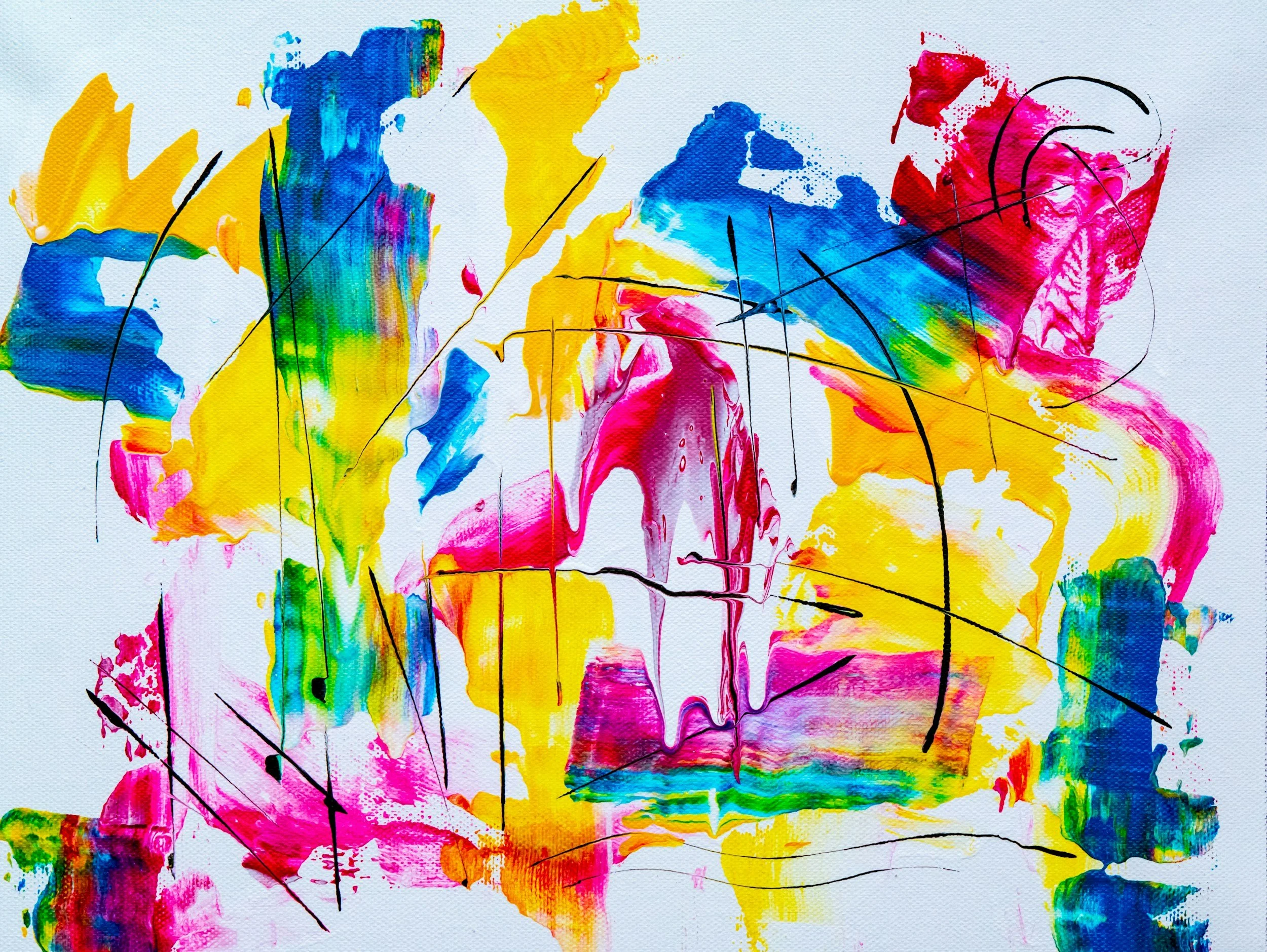
Art is not about being “good,” and it’s certainly not about getting it right.
For children, art is one of the few spaces where there are no correct answers. It is a place to be curious, to play, to experiment, and to trust their own ideas. When we remove pressure around talent, outcomes, or comparison, we open the door to something far more valuable than a polished result: exploration, emotional expression, and growth.
From a child development perspective, this freedom matters deeply. Research in child psychology shows that open-ended play supports cognitive flexibility, problem-solving, and emotional regulation. Art functions in a similar way. When children are allowed to explore materials without instruction on what the final piece should look like, they engage in decision-making, self-reflection, and risk-taking, all essential skills for healthy development.
This is why process over outcome is so important. The act of choosing colors, making marks, changing direction, or even starting over helps children develop autonomy and confidence. Mistakes become part of learning rather than something to avoid. Over time, children begin to trust themselves, not because someone told them their work was “good,” but because they experienced their own ability to try, adapt, and continue.
Children don’t need to be “good” at art. They simply need the opportunity to begin.
In art therapy, creating is often used as a non-verbal way for children to process emotions they may not yet have the language for. Scribbles, shapes, repetition, pressure, and color choices can all be forms of communication. When adults focus too heavily on results, children may shift their attention away from expression and toward approval. But when the space feels safe and non-judgmental, art becomes a way for children to express feelings, release tension, and make sense of their inner world.
Through touching materials, experimenting, and following their imagination, children build skills naturally and at their own pace. Fine motor skills, visual awareness, patience, and focus emerge organically, not through instruction alone, but through repeated, meaningful engagement.
Art then becomes a space of discovery rather than comparison. A place where every mark has value, every idea matters, and there is no single “right” way to create.
This is how creativity grows: by doing, exploring, and feeling safe enough to try. And when children learn that their ideas are worthy of space and attention, that confidence often extends far beyond the art table into how they think, communicate, and see themselves in the world.
