

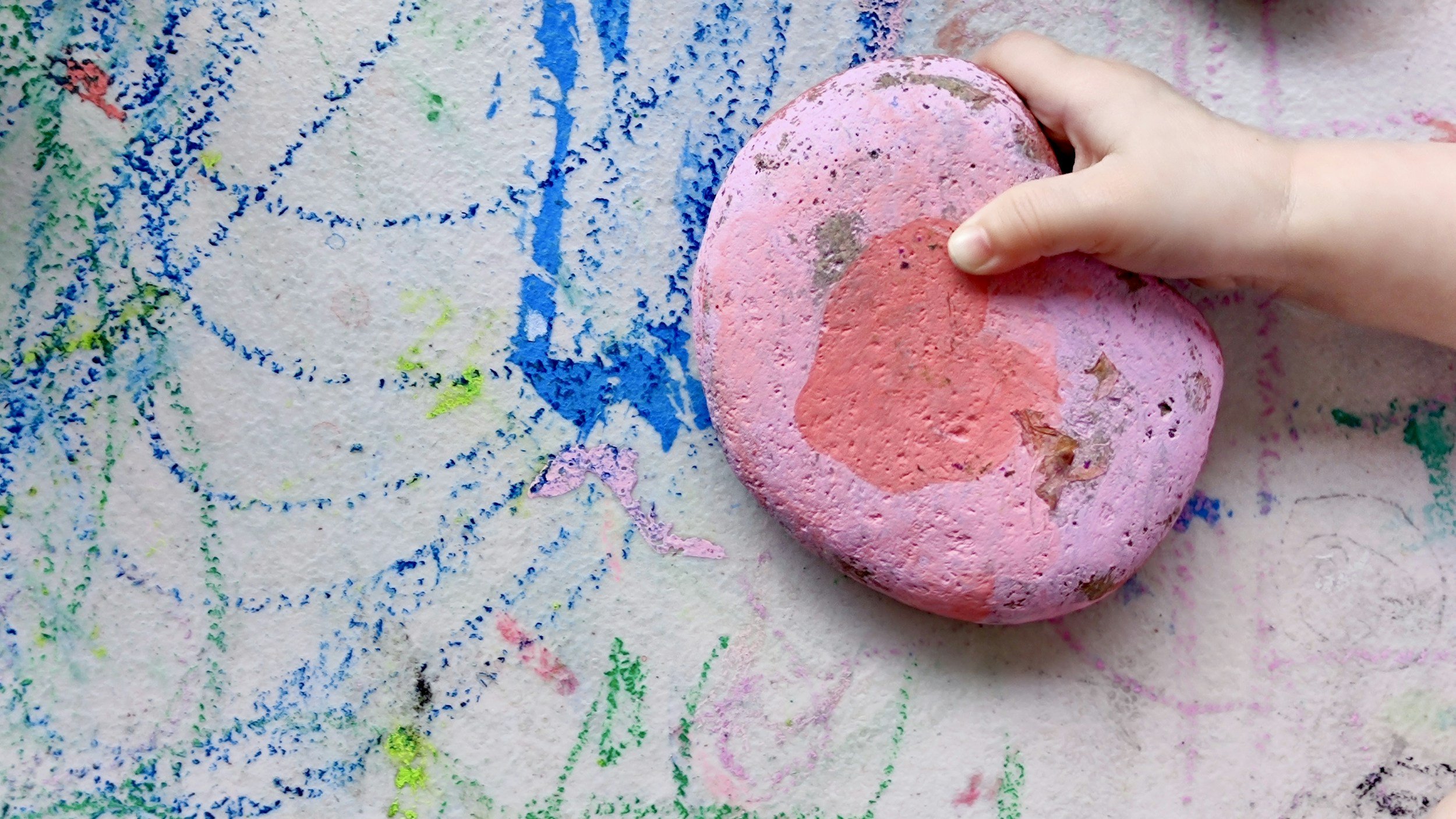
In a world where children are growing up surrounded by climate conversations, plastic waste, and fast consumption, sustainability can sometimes feel like a heavy topic. But for children, learning about caring for the planet does not need to begin with fear — it can begin with creativity.
Art offers a gentle and meaningful way to introduce environmental responsibility. Through making, building, observing, and imagining, children begin to understand that materials have value and that their choices matter.
Here are simple ways parents and teachers can explore sustainability through art at home or in the classroom.
1. Create From What You Already Have
Before buying new art supplies, pause and look around.
Cardboard boxes, paper packaging, bottle caps, scrap fabric, old magazines — these are not waste. They are possibilities.
Invite children to:
Build sculptures from recyclables
Create collages from old newspapers
Design imaginary inventions using discarded materials
Turn packaging into characters or storytelling props
When children reuse materials, they naturally begin to understand the concept of resourcefulness. They learn that creativity doesn’t depend on constant consumption.
The simple act of saying, “What can this become?” instead of “Throw it away,” shifts their mindset.
2. Explore Upcycling as Design
Upcycling helps children see that old objects can have a second life — sometimes even more beautiful than the first.
Try:
Decorating glass jars to become pencil holders
Transforming old T-shirts into tote bags
Painting worn wooden objects instead of replacing them
Turning fabric scraps into small soft sculptures
This teaches children care, responsibility, and pride in maintaining and transforming what they already own. It also introduces an important value: sustainability is creative, not restrictive.
3. Slow Down and Observe Nature
Environmental awareness begins with connection.
Encourage children to spend time noticing:
The pattern of veins in a leaf
The texture of tree bark
The color variations in the sky
The small ecosystems in a garden
Art activities might include:
Leaf rubbings
Botanical drawing
Creating mandalas from fallen natural materials
Painting landscapes from memory after outdoor observation
When children develop a relationship with nature through close observation, care becomes instinctive.
4. Use Art to Imagine Solutions
Children are natural visionaries.
Instead of focusing only on environmental problems, ask open-ended questions:
What would a plastic-free city look like?
How could houses be built to protect animals?
What invention would help clean the ocean?
What does a healthy forest feel like?
Through drawing, collage, and model-making, children shift from passive awareness to empowered imagination.
This builds problem-solving skills alongside environmental consciousness.
5. Model Sustainable Creative Habits
Children learn most from what they see.
Small habits matter:
Using both sides of paper
Caring for and repairing art materials
Choosing quality over quantity
Cleaning and storing tools responsibly
These quiet practices teach that sustainability is not a trend, it is a mindset.
The Bigger Picture
When sustainability is introduced through creativity, it feels hopeful rather than heavy.
Children learn:
Materials have value
Nature deserves attention
Waste can become beauty
Solutions begin with imagination
Art allows environmental education to be experiential rather than abstract. It builds empathy, awareness, and responsibility in a way that feels empowering.
Teaching sustainability through art is not about perfection. It is about cultivating respect for materials, for nature, and for the future children are growing into.
And often, it begins with something very small: a cardboard box, a fallen leaf, and the question — What else could this become?
